History
Brief History of the Polish Air Force
With the outbreak of war, on 1st September 1939, the Polish Air Force’s mostly obsolete aircraft were opposed by the German Luftwaffe equipped with over 1,300 modern fighters and bombers. The PAF’s Eskadry were not, however, destroyed on the ground in the first days of the campaign, as is often asserted, but had been intelligently dispersed to forward airfields. Furthermore, although flying outdated aircraft, the Polish pilots fought well; and in the brief campaign shot down 126 enemy machines for the loss of 114 of their number. Following the Soviet invasion and German victory, most of the Polish airmen were interned in camps in Romania and elsewhere before escaping to France to continue the war. Once there, the exiles’ superior training and that most precious commodity – combat experience – stood them in good stead. Though only engaged in the latter stages of the campaign, 130 Polish pilots serving in the French Air Force destroyed 60 German aircraft and suffered 13 killed. After the Fall of France, in June 1940, some 8,500 Polish airmen escaped across the English Channel. Having been driven from their homeland in 1939, only to be forced to flee again, the Poles now called Britain, Wyspa Ostatniej Nadziei or ‘The Island of Last Hope.’

The Poles were impatient to see action, but the Royal Air Force would not at first let them fly operationally because few of the newcomers spoke English and there was understandable concern about their morale. What the RAF did not yet realise was that the Poles were excellent pilots. Having come through the 1939 Campaign and the Battle of France, they had undergone a process of “natural selection.” The Polish pilots also had more combat experience than most of their British counterparts, and they employed formations and tactics more flexible – and more deadly – than those of the RAF. The exiles were, above all, motivated by a deep patriotism and a burning desire to defeat the enemy and return to those they loved. As the Battle of Britain wore on, the shortage of trained pilots forced Fighter Command to introduce Polish airmen into British squadrons. Two national units, 302 (“Poznański”) Squadron and 303 (“Kościuszki”) Squadron were also formed and equipped with Hurricanes. The Polish pilots now set about defending Britain’s airspace with courage, skill and a will to win.
The Polish airmen reinforced Fighter Command in the weeks from the middle of August to the middle of September when it appeared that the RAF might well lose the Battle. The statistics make interesting reading. The 146 Polish pilots, some 5% of Fighter Command’s strength, claimed 203 German aircraft destroyed for the loss of 29 killed. This represents 15% of the RAF’s total number of victories or 1.4 enemy aircraft for every Pole engaged. At the same time the two national squadrons suffered losses 70% lower than most RAF units. On the 15 September, celebrated in the United Kingdom as ‘Battle of Britain Day’, one in five of the pilots in action was Polish. At the end of the 16-week campaign, the top-scoring Fighter Command unit was 303 Squadron, which in only 42 days was credited with 126 enemy machines. And arguably the most successful individual pilot – with 17 victories – was Sergeant Josef Frantiśek, a Czech who also flew with ‘303.’
When they heard how well the Poles were fighting, the British people took them to their hearts. The King visited 303 Squadron at their base at Northolt and signed their unofficial diary; in Cabinet it was said that ‘the morale of the Polish pilots is excellent and their bravery much above the average’; and young British women competed for the honour of dating a dashing Polish “Fighter Boy.” Indeed, such was the appeal of the exiles to the opposite sex, British airmen took to wearing “Poland” flashes and speaking in broken English in the hope of improving their chances. The Poles had more than proved themselves, and a grateful RAF now rose to the challenge of integrating them into its structure.

The top-scoring RAF squadron finished fourth with 130 points, but the top three places were taken by 315 Squadron, with 183 points, ‘302’, with 432 points and ‘303’ with a staggering 808 points. By the end of the war, Polish fighter pilots serving with the Polish, British and American air forces had accounted for 957 enemy aircraft, had probably destroyed 196 and had damaged a further 280. No fewer than 58 of these pilots became ‘aces’, destroying five or more enemy aircraft. The top scoring Polish fighter aces were Group Captain Witold Urbanowicz and Wing Commander Stanislaw Skalski, both of whom had 18 confirmed kills. The Poles thought about the business of air fighting and they were never afraid to innovate. Polish pilots were especially popular with American bomber crews because they stayed with their charges when flying escort missions and they developed special tactics to protect them from the defending German fighters. Flight Lieutenant Janusz Lewkowicz, a pilot on 309 Squadron, meanwhile calculated that with careful fuel conservation his Mustang fighter had sufficient range to reach Norway from his base in Scotland. On 27 June 1942 Lewkowicz made an unauthorised, but highly successful, flight to Norway, which earned him an official reprimand and unofficial congratulations. Soon Allied fighters were regularly attacking targets in Norway.
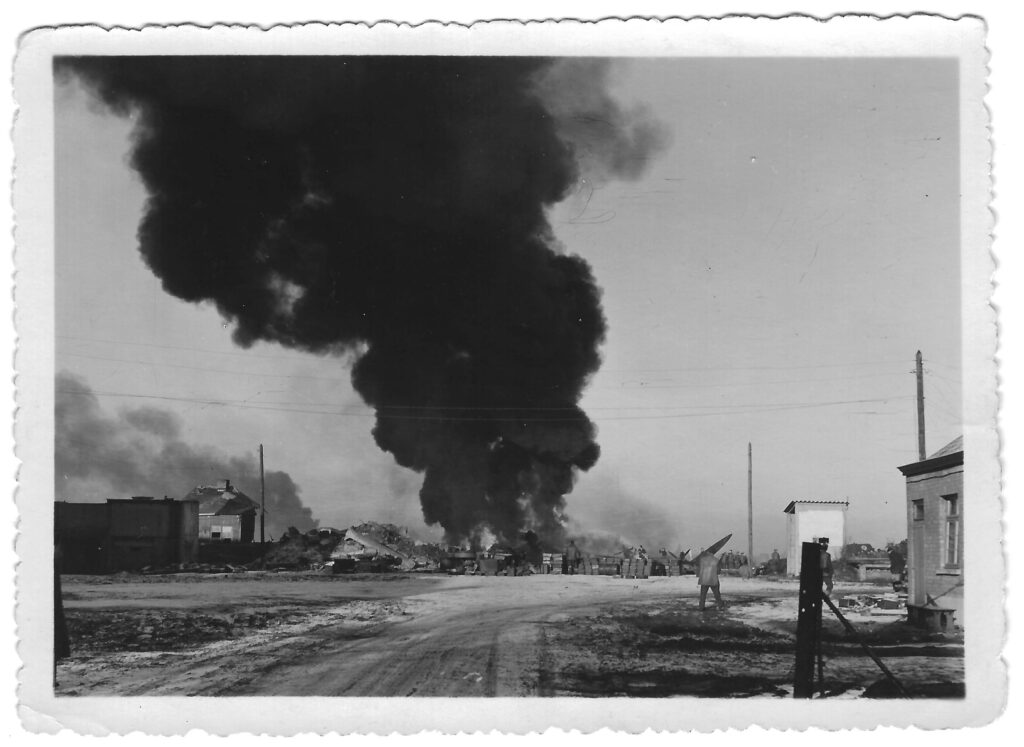
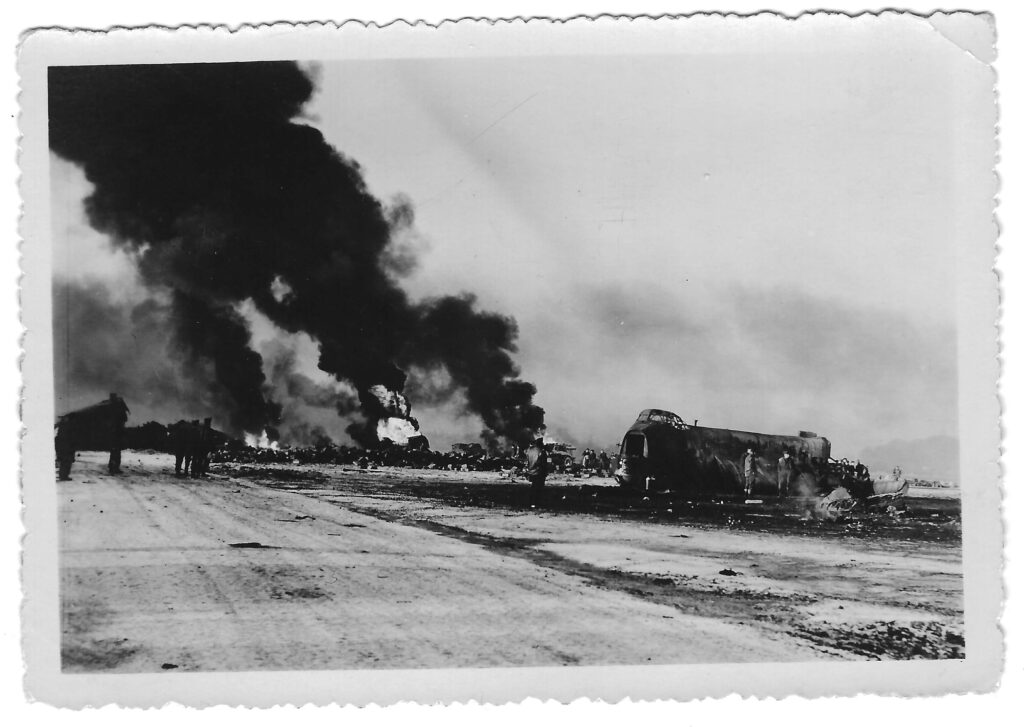
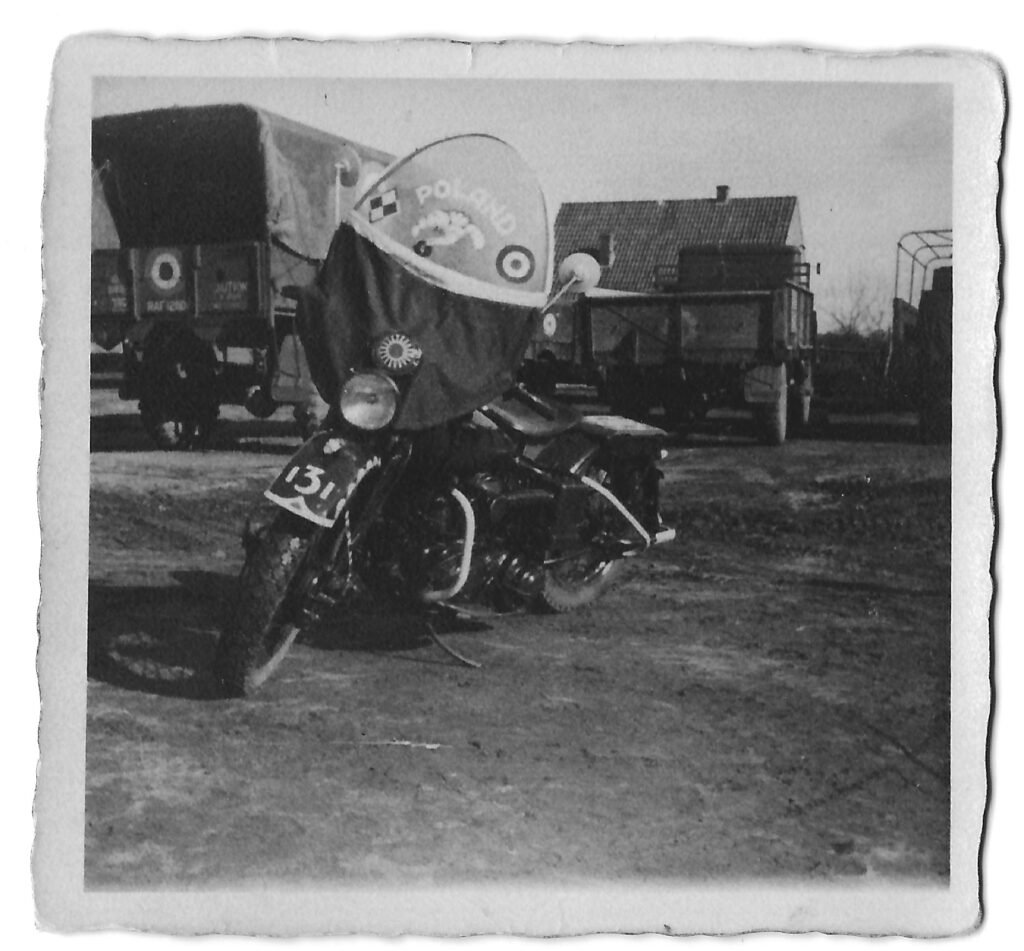
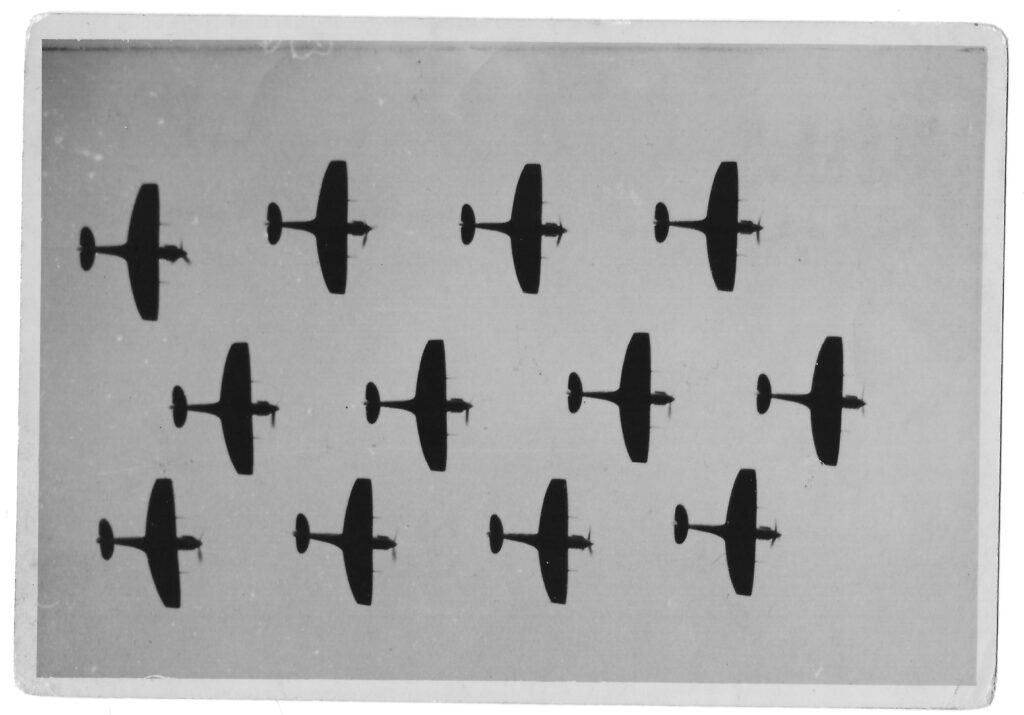
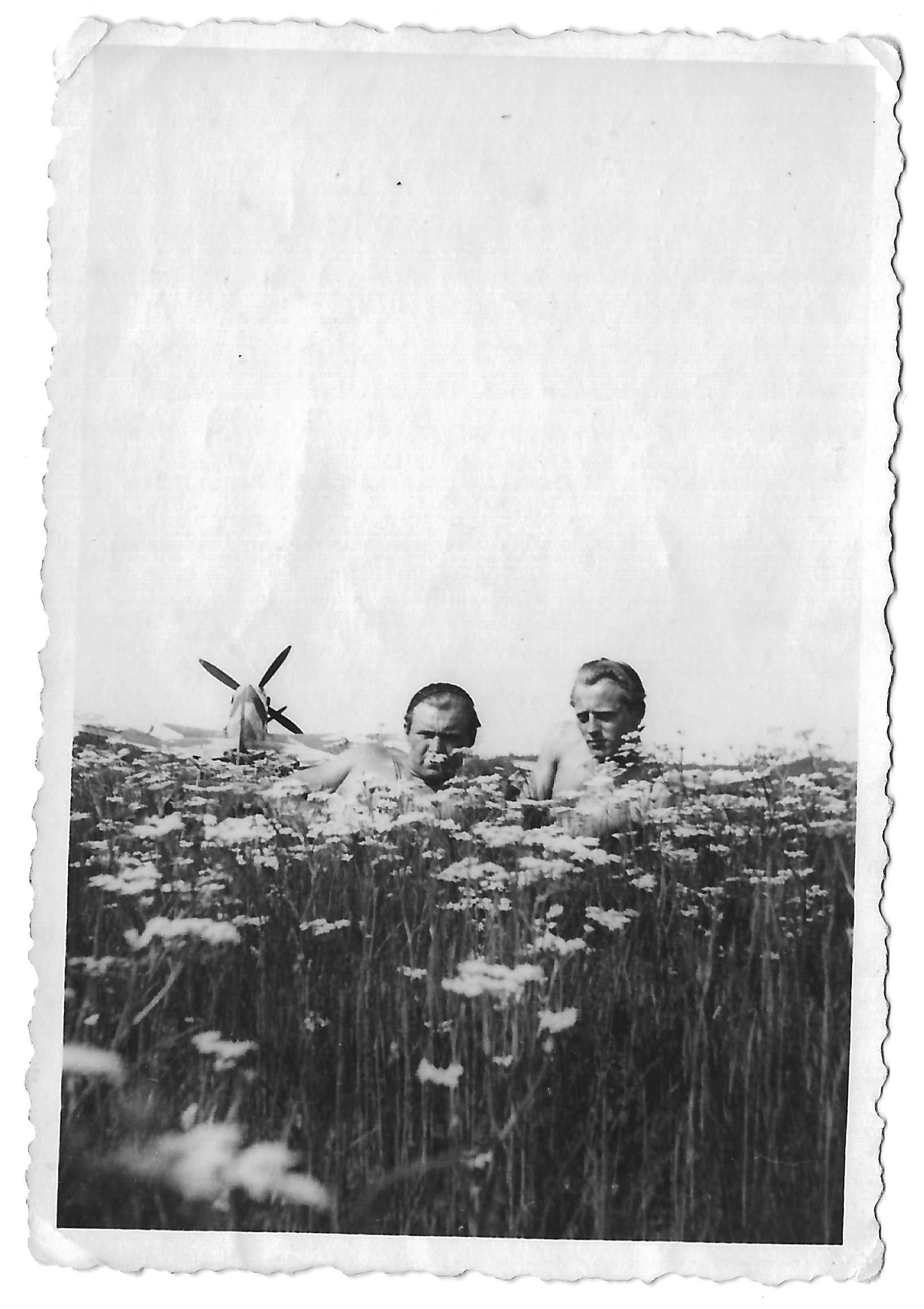
This selection of photographs are from the collection of Lesław Latawiec 704538 © Lesław Latawiec 2015 All rights reserved